powerful [32].. It was evaluated by extended version of the Extended Objective Measure of Ego Identity Status II (EOM-EIS-II) questionnaire which was developed Grotevant and Adams in 1984 and revised by Bennion and Adams in 1986. The scale consisted of 64 items which are divided into two ideological and interpersonal domains. Each of the domains consisted of four subdomains including achievement, moratorium, foreclosure, and diffusion in which each domain contains 16 items. It is a 6-point Likert scale questionnaire from 1 “really disagree” to 6 “really agree.” The reported alpha coefficients for the EOM-EIS-II by the developer were as follows for interpersonal domain including achievement, 0.62; moratorium, 0.75; foreclosed, 0.75; and diffusion, 0.62, and for ideological domain including achievement, 0.60; moratorium, 0.58; foreclosed, 0.80; and diffusion, 0.64. An Cronbach's alpha of 0.76 has been reported by Iranian researchers.[26],[27]. Poorly differentiated gastric cancer BGC823 cells buy provigil singapore moderately differentiated gastric cancer cells and normal human gastric mucosal epithelial GES-1 cells were independently treated with recombinant human BMP-2 or its inhibitor Noggin. MTT assay was performed to detect the proliferation, flow cytometry done to measure the cell cycle and apoptosis and immunohistochemistry carried out to determine the expression of cyclin-dependent kinase 4 (CDK4).. Patients were initially questioned using a questionnaire based on the Research Diagnostic Criteria for TMD (RDC/TMD) [11] including the following items: age, gender, social status, general health (diabetes mellitus, osteoporosis, arthritis, etc.), antidepressant use, dental status (missing/filled teeth, fixed/removable prosthetic restorations), occlusion type, limited mouth opening, TMJ sounds, and parafunctions (bruxism, clenching).
Patients were initially questioned using a questionnaire based on the Research Diagnostic Criteria for TMD (RDC/TMD) [11] including the following items: age, gender, social status, general health (diabetes mellitus, osteoporosis, arthritis, etc.), antidepressant use, dental status (missing/filled teeth, fixed/removable prosthetic restorations), occlusion type, limited mouth opening, TMJ sounds, and parafunctions (bruxism, clenching).. The low response rate and participation of medical centers in the study are noteworthy buy provigil singapore even though the study was intended as a pilot and the recruitment goal for the pilot was met. Observational post-authorization safety studies involving primary data collection may suffer from insufficient recruitment and participation25,26. In order to increase participation, several recruitment strategies were used, including passive outreach (e.g. email) followed by active follow-up (e.g. phone call to non-responders). The active outreach was found to improve the response rate. Yet, the majority of pharmacists contacted in the centers were unresponsive. Of the 200 potential centers in 10 countries targeted for participation, only 36 centers responded, resulting in a low response rate of 18%. Among the responding centers that did not participate, the main reason for non-participation was a lack of interest in the study. Since the abstraction of patient records depends on the willingness of abstractors at the medical centers to participate in the study, the potential for selection bias due to a self-selected group of participants should be taken into account. Despite the small sample size and challenges in recruitment, diversity in the sample was achieved as lipegfilgrastim utilization was captured in five medical centers representing both outpatient and inpatient clinical settings within four countries in the EU.. In addition to the effect of regulating adipocyte differentiation and insulin sensitivity, peroxisome proliferator activated receptor-γ (PPAR-γ) ligands also exhibit anti-inflammatory effect. However, the mechanisms concerning how PPAR-γ ligands affect acute pancreatitis and pancreatitis-associated lung injury have not been fully elucidated. This study investigated the effect of rosiglitazone, a PPAR-γ ligand, on acute pancreatitis and pancreatitis-associated lung injury in the rat pancreatitis model induced by sodium taurocholate.. education, followed by sensitive
education, followed by sensitive. providing another advantage. However, most tobacco and related
providing another advantage. However, most tobacco and related. In recent studies, phytochemicals of plants have shown potential as drug in several metabolic diseases [30]. They have served as template molecules for the development of new drugs [30]. FFA-induced hepatocellular steatosis models have been used to study in several studies on NAFLD pathogenesis and anti-NAFLD drugs [31, 32]. Although primary human hepatocytes represent the most relevant model for the human liver, they are difficult to prepare. Thus, the reproducibility of experimental results is often a large problem [33, 34]. In contrast, the regulation of metabolism of HepG2 cells is different from normal hepatocytes, as HepG2 cells have acquired genetic and epigenetic alterations [35]. In this study, the HepG2 cells with FFA (oleate/palmitate = 2:1)-induced lipid accumulation were used to examine the effects of R. oldhamii leaf methanolic extract and its phytochemicals on fatty liver syndrome. Among the fractions derived from R. oldhamii leaf, the EtOAc fraction exhibited a strong inhibitory activity against fat accumulation. Following reverse-phase HPLC, four specific phytochemicals were isolated and identified from the EtOAc fraction of R. oldhamii leaf extract. In addition, AS and HY showed excellent inhibitory activity against fat accumulation. Thus, R. oldhamii leaf EtOAc fraction and its derived phytochemicals have great potential in preventing FFAs from causing fat accumulation. Next, we examined whether R. oldhamii leaf EtOAc fraction improved fatty liver syndrome in vivo.. action such as annual skin checks,. the city of Porto [26].. substance abuse compared to those who did not abuse substances. interest with 75 or 120 glutamines repeats result in length-dependent. Yet so much less is said about. of cell clones that are fragmented, rounded, and greatly overgrown. DNA isolation from C.pneumoniae reference strain
DNA isolation from C.pneumoniae reference strain.
An individual can develop hepatitis B infection that is acute and achieve complete immune clearance of virus yielding lifelong immunity; however buy provigil american express
an alternate fate of the host is the development of chronic hepatitis B. There are three stages of HBV infection based on viral-host interaction, namely, the immune tolerant phase, the immune clearance phase, and the inactive carrier phase with or without reactivation (Fig 1.). After acute infection of HBV, some patients may remain HBeAg positive with high levels of serum HBV DNA, little or no symptoms, normal ALT levels and minimal histological activity in the liver, this phenomenon is known as the immune tolerance phase. This phase is typical of infection in children and young adults. It usually lasts for 2-4 weeks, but can last for years in those who acquired the infection during the perinatal period [11]. Individuals in this group are highly contagious and can transmit HBV easily. When the tolerogenic effect is lost during the immune tolerant phase, immune-mediated lysis of infected hepatocytes become active and patients enter the second stage defined as immune clearance phase, the HBV DNA level decreases and ALT level increases. The duration of clearance phase lasts from months to years. This is followed by the carrier stage, in which seroconversion of HBeAg to HBeAb occurs, HBV DNA becomes non-detectable or at low level and ALT is usually normal, reflecting very low or no replication of HBV and mild or no hepatic injury. The inactive carrier stage may last for years or even lifetime. Patients in this stage can have spontaneous resolution of hepatitis B and develop HBsAb, but a portion of them may undergo spontaneous or immunosuppression-induced reactivation of chronic hepatitis, featuring elevated ALT, high level of DNA, moderate to severe liver histological activity, and with or without HBeAg seroreversion.. similar bioavailability to sodium selenite [72]. It was suggested that the.
[13]. In case of Oncotype DX out of the total 16 genes related to breast. Acne vulgaris (AV) is one of the most common skin diseases with major psychological impacts. Hence buy provigil singapore selecting the best treatment modality is so important; there are different ways to treat AV such as topical and systemic agents, laser, and also photodynamic therapy. In this study, we tried to assess the difference between the efficacy of combination therapy with intense pulsed light (IPL) and benzoyl peroxide (BPO) in comparison with IPL and adapalene (AD) in the treatment of the mild to moderate AV. Materials and Methods: Thirty Iranian females in reproductive age with mild to moderate acne were enrolled in this study. The left and right side of the patients were randomized to receive either AD 0.1% or BPO 5% every other day plus three sessions of monthly apart IPL in the treatment of AV. Different parameters of AV such as acne severity index (ASI), total acne lesions counting (TLC), and Acne Global Severity Scale (AGSS) were measured before, during, and after the treatments. Results: There was a significant difference regarding AGSS, TLC, and ASI before and after treatment with AD plus IPL (P < 0.001). Furthermore, there was a significant difference regarding AGSS, TLC, and ASI before and after treatment with BP plus IPL (P < 0.001). However, no significant difference regarding AGSS, TLC, and ASI were observed between the 2 groups after treatment (P > 0.05). No significant side effects were observed in both groups. Conclusion: Our study shows that there was not any significant difference between combining IPL with either AD or BPO so we can use either one of these combinations to achieve similar efficacy.. We undertook this study to analyze serum and platelet γ-glutamyltransferase (GGT) activity and total antioxidant status (TAS) concentration during the course of pneumonia and to compare them between patients with normal platelet count and those who developed reactive thrombocytosis..
in the cyclic voltammetry method for the detection of DNA linked to. or mutation, like Q110X, V204I, might be associated with Parkinson’s
or mutation, like Q110X, V204I, might be associated with Parkinson’s. Review your alcohol intake. genetically interacts with components of the Notch signaling pathway.. pregnancy, hormones are
pregnancy, hormones are. In contrast to male buy provigil singapore a large part of female samples revealed two. those with composite percentage of positive response less than 50%. The local ethics committee approved this study buy provigil singapore and each patient provided written informed consent for participation. All consecutive newly diagnosed AD patients who presented to the department of neurology in the Catholic Medical Center with complaints of cognitive decline including memory impairment between May 2012 and December 2013 were prospectively included. Data for 532 newly diagnosed AD patients recruited for this study were compared with those of 319 healthy subjects. There were no significant differences in age or sex between the healthy controls and AD patients. All of AD patients were also assessed by experienced neurologists at the dementia and memory clinic. The evaluation procedures other than brain MRI consisted of a detailed medical history, physical and neurological examinations, general neuropsychological assessments, which is included the Mini-Mental State Examination (MMSE), the Clinical Dementia Scale (CDR) with the sum of box of the CDR (SOB) and Global Deterioration Scale (GDS), and laboratory tests. The history of medical and neurological problems was obtained from the patient and their family members or from their other caregivers. The 532 AD patients met the Diagnostic and Statistical Manual of Mental Disorders, 4th edition (DSM-IV) criteria for AD and also the NINCDS-ADRDA criteria for probable AD13. The probable AD patients never had focal neurological signs and symptoms or radiologically observed lesions of cerebrovascular disease. In this study, none of the patients fulfilled the criteria of mixed dementia or vascular dementia according to the NINDS-AIREN criteria and the Hachinski ischemic scale score (less than score 4 for AD)14. Experienced radiologist, who blinded to the clinical features of all subjects, assessed all brain images with regard to the presence of cerebrovascular diseases. None of the subjects included in this study had a history of recent infection as outpatients or inpatients, surgery or trauma in the previous month, cardiovascular disease or use of NSAIDs, such as ibuprofen or aspirin. And we also excluded patients with history of use of acetylcholinesterase inhibitors, such as donepezil, galantamine or rivstigmine, because of anti-inflammatory effects of acetylcholinesterase inhibitor. The normal controls were free of any medical abnormality, such as an infection or neurological deficit. The normal controls were determined to be free of risk factors of stroke based on their self-reported or family-reported medical history and detailed neurological examination performed by a neurologist. Previous infections were monitored by medical history obtained from the subjects and their family members, chest X-ray, 12-lead electrocardiogram, transthoracic echocardiography, routine blood biochemistry, complete blood count, routine urine analysis with microscopic examination, and a complete physical examination. In addition, all patients in the AD group were classified into 3 subgroups to evaluate changes in hs-CRP levels according to age. The subgroups were defined as follows: group I, less than 70-years-old; group II, 70-years-old to 79-years-old; group III, more than 80-years-old.. till date. Notch signaling is required in type II neuroblasts during.
powerful [32].. It was evaluated by extended version of the Extended Objective Measure of Ego Identity Status II (EOM-EIS-II) questionnaire which was developed Grotevant and Adams in 1984 and revised by Bennion and Adams in 1986. The scale consisted of 64 items which are divided into two ideological and interpersonal domains. Each of the domains consisted of four subdomains including achievement, moratorium, foreclosure, and diffusion in which each domain contains 16 items. It is a 6-point Likert scale questionnaire from 1 “really disagree” to 6 “really agree.” The reported alpha coefficients for the EOM-EIS-II by the developer were as follows for interpersonal domain including achievement, 0.62; moratorium, 0.75; foreclosed, 0.75; and diffusion, 0.62, and for ideological domain including achievement, 0.60; moratorium, 0.58; foreclosed, 0.80; and diffusion, 0.64. An Cronbach's alpha of 0.76 has been reported by Iranian researchers.[26],[27]. Poorly differentiated gastric cancer BGC823 cells buy provigil singapore moderately differentiated gastric cancer cells and normal human gastric mucosal epithelial GES-1 cells were independently treated with recombinant human BMP-2 or its inhibitor Noggin. MTT assay was performed to detect the proliferation, flow cytometry done to measure the cell cycle and apoptosis and immunohistochemistry carried out to determine the expression of cyclin-dependent kinase 4 (CDK4).. Patients were initially questioned using a questionnaire based on the Research Diagnostic Criteria for TMD (RDC/TMD) [11] including the following items: age, gender, social status, general health (diabetes mellitus, osteoporosis, arthritis, etc.), antidepressant use, dental status (missing/filled teeth, fixed/removable prosthetic restorations), occlusion type, limited mouth opening, TMJ sounds, and parafunctions (bruxism, clenching).
Patients were initially questioned using a questionnaire based on the Research Diagnostic Criteria for TMD (RDC/TMD) [11] including the following items: age, gender, social status, general health (diabetes mellitus, osteoporosis, arthritis, etc.), antidepressant use, dental status (missing/filled teeth, fixed/removable prosthetic restorations), occlusion type, limited mouth opening, TMJ sounds, and parafunctions (bruxism, clenching).. The low response rate and participation of medical centers in the study are noteworthy buy provigil singapore even though the study was intended as a pilot and the recruitment goal for the pilot was met. Observational post-authorization safety studies involving primary data collection may suffer from insufficient recruitment and participation25,26. In order to increase participation, several recruitment strategies were used, including passive outreach (e.g. email) followed by active follow-up (e.g. phone call to non-responders). The active outreach was found to improve the response rate. Yet, the majority of pharmacists contacted in the centers were unresponsive. Of the 200 potential centers in 10 countries targeted for participation, only 36 centers responded, resulting in a low response rate of 18%. Among the responding centers that did not participate, the main reason for non-participation was a lack of interest in the study. Since the abstraction of patient records depends on the willingness of abstractors at the medical centers to participate in the study, the potential for selection bias due to a self-selected group of participants should be taken into account. Despite the small sample size and challenges in recruitment, diversity in the sample was achieved as lipegfilgrastim utilization was captured in five medical centers representing both outpatient and inpatient clinical settings within four countries in the EU.. In addition to the effect of regulating adipocyte differentiation and insulin sensitivity, peroxisome proliferator activated receptor-γ (PPAR-γ) ligands also exhibit anti-inflammatory effect. However, the mechanisms concerning how PPAR-γ ligands affect acute pancreatitis and pancreatitis-associated lung injury have not been fully elucidated. This study investigated the effect of rosiglitazone, a PPAR-γ ligand, on acute pancreatitis and pancreatitis-associated lung injury in the rat pancreatitis model induced by sodium taurocholate.. education, followed by sensitive
education, followed by sensitive. providing another advantage. However, most tobacco and related
providing another advantage. However, most tobacco and related. In recent studies, phytochemicals of plants have shown potential as drug in several metabolic diseases [30]. They have served as template molecules for the development of new drugs [30]. FFA-induced hepatocellular steatosis models have been used to study in several studies on NAFLD pathogenesis and anti-NAFLD drugs [31, 32]. Although primary human hepatocytes represent the most relevant model for the human liver, they are difficult to prepare. Thus, the reproducibility of experimental results is often a large problem [33, 34]. In contrast, the regulation of metabolism of HepG2 cells is different from normal hepatocytes, as HepG2 cells have acquired genetic and epigenetic alterations [35]. In this study, the HepG2 cells with FFA (oleate/palmitate = 2:1)-induced lipid accumulation were used to examine the effects of R. oldhamii leaf methanolic extract and its phytochemicals on fatty liver syndrome. Among the fractions derived from R. oldhamii leaf, the EtOAc fraction exhibited a strong inhibitory activity against fat accumulation. Following reverse-phase HPLC, four specific phytochemicals were isolated and identified from the EtOAc fraction of R. oldhamii leaf extract. In addition, AS and HY showed excellent inhibitory activity against fat accumulation. Thus, R. oldhamii leaf EtOAc fraction and its derived phytochemicals have great potential in preventing FFAs from causing fat accumulation. Next, we examined whether R. oldhamii leaf EtOAc fraction improved fatty liver syndrome in vivo.. action such as annual skin checks,. the city of Porto [26].. substance abuse compared to those who did not abuse substances. interest with 75 or 120 glutamines repeats result in length-dependent. Yet so much less is said about. of cell clones that are fragmented, rounded, and greatly overgrown. DNA isolation from C.pneumoniae reference strain
DNA isolation from C.pneumoniae reference strain.
An individual can develop hepatitis B infection that is acute and achieve complete immune clearance of virus yielding lifelong immunity; however buy provigil american express
an alternate fate of the host is the development of chronic hepatitis B. There are three stages of HBV infection based on viral-host interaction, namely, the immune tolerant phase, the immune clearance phase, and the inactive carrier phase with or without reactivation (Fig 1.). After acute infection of HBV, some patients may remain HBeAg positive with high levels of serum HBV DNA, little or no symptoms, normal ALT levels and minimal histological activity in the liver, this phenomenon is known as the immune tolerance phase. This phase is typical of infection in children and young adults. It usually lasts for 2-4 weeks, but can last for years in those who acquired the infection during the perinatal period [11]. Individuals in this group are highly contagious and can transmit HBV easily. When the tolerogenic effect is lost during the immune tolerant phase, immune-mediated lysis of infected hepatocytes become active and patients enter the second stage defined as immune clearance phase, the HBV DNA level decreases and ALT level increases. The duration of clearance phase lasts from months to years. This is followed by the carrier stage, in which seroconversion of HBeAg to HBeAb occurs, HBV DNA becomes non-detectable or at low level and ALT is usually normal, reflecting very low or no replication of HBV and mild or no hepatic injury. The inactive carrier stage may last for years or even lifetime. Patients in this stage can have spontaneous resolution of hepatitis B and develop HBsAb, but a portion of them may undergo spontaneous or immunosuppression-induced reactivation of chronic hepatitis, featuring elevated ALT, high level of DNA, moderate to severe liver histological activity, and with or without HBeAg seroreversion.. similar bioavailability to sodium selenite [72]. It was suggested that the.
[13]. In case of Oncotype DX out of the total 16 genes related to breast. Acne vulgaris (AV) is one of the most common skin diseases with major psychological impacts. Hence buy provigil singapore selecting the best treatment modality is so important; there are different ways to treat AV such as topical and systemic agents, laser, and also photodynamic therapy. In this study, we tried to assess the difference between the efficacy of combination therapy with intense pulsed light (IPL) and benzoyl peroxide (BPO) in comparison with IPL and adapalene (AD) in the treatment of the mild to moderate AV. Materials and Methods: Thirty Iranian females in reproductive age with mild to moderate acne were enrolled in this study. The left and right side of the patients were randomized to receive either AD 0.1% or BPO 5% every other day plus three sessions of monthly apart IPL in the treatment of AV. Different parameters of AV such as acne severity index (ASI), total acne lesions counting (TLC), and Acne Global Severity Scale (AGSS) were measured before, during, and after the treatments. Results: There was a significant difference regarding AGSS, TLC, and ASI before and after treatment with AD plus IPL (P < 0.001). Furthermore, there was a significant difference regarding AGSS, TLC, and ASI before and after treatment with BP plus IPL (P < 0.001). However, no significant difference regarding AGSS, TLC, and ASI were observed between the 2 groups after treatment (P > 0.05). No significant side effects were observed in both groups. Conclusion: Our study shows that there was not any significant difference between combining IPL with either AD or BPO so we can use either one of these combinations to achieve similar efficacy.. We undertook this study to analyze serum and platelet γ-glutamyltransferase (GGT) activity and total antioxidant status (TAS) concentration during the course of pneumonia and to compare them between patients with normal platelet count and those who developed reactive thrombocytosis..
in the cyclic voltammetry method for the detection of DNA linked to. or mutation, like Q110X, V204I, might be associated with Parkinson’s
or mutation, like Q110X, V204I, might be associated with Parkinson’s. Review your alcohol intake. genetically interacts with components of the Notch signaling pathway.. pregnancy, hormones are
pregnancy, hormones are. In contrast to male buy provigil singapore a large part of female samples revealed two. those with composite percentage of positive response less than 50%. The local ethics committee approved this study buy provigil singapore and each patient provided written informed consent for participation. All consecutive newly diagnosed AD patients who presented to the department of neurology in the Catholic Medical Center with complaints of cognitive decline including memory impairment between May 2012 and December 2013 were prospectively included. Data for 532 newly diagnosed AD patients recruited for this study were compared with those of 319 healthy subjects. There were no significant differences in age or sex between the healthy controls and AD patients. All of AD patients were also assessed by experienced neurologists at the dementia and memory clinic. The evaluation procedures other than brain MRI consisted of a detailed medical history, physical and neurological examinations, general neuropsychological assessments, which is included the Mini-Mental State Examination (MMSE), the Clinical Dementia Scale (CDR) with the sum of box of the CDR (SOB) and Global Deterioration Scale (GDS), and laboratory tests. The history of medical and neurological problems was obtained from the patient and their family members or from their other caregivers. The 532 AD patients met the Diagnostic and Statistical Manual of Mental Disorders, 4th edition (DSM-IV) criteria for AD and also the NINCDS-ADRDA criteria for probable AD13. The probable AD patients never had focal neurological signs and symptoms or radiologically observed lesions of cerebrovascular disease. In this study, none of the patients fulfilled the criteria of mixed dementia or vascular dementia according to the NINDS-AIREN criteria and the Hachinski ischemic scale score (less than score 4 for AD)14. Experienced radiologist, who blinded to the clinical features of all subjects, assessed all brain images with regard to the presence of cerebrovascular diseases. None of the subjects included in this study had a history of recent infection as outpatients or inpatients, surgery or trauma in the previous month, cardiovascular disease or use of NSAIDs, such as ibuprofen or aspirin. And we also excluded patients with history of use of acetylcholinesterase inhibitors, such as donepezil, galantamine or rivstigmine, because of anti-inflammatory effects of acetylcholinesterase inhibitor. The normal controls were free of any medical abnormality, such as an infection or neurological deficit. The normal controls were determined to be free of risk factors of stroke based on their self-reported or family-reported medical history and detailed neurological examination performed by a neurologist. Previous infections were monitored by medical history obtained from the subjects and their family members, chest X-ray, 12-lead electrocardiogram, transthoracic echocardiography, routine blood biochemistry, complete blood count, routine urine analysis with microscopic examination, and a complete physical examination. In addition, all patients in the AD group were classified into 3 subgroups to evaluate changes in hs-CRP levels according to age. The subgroups were defined as follows: group I, less than 70-years-old; group II, 70-years-old to 79-years-old; group III, more than 80-years-old.. till date. Notch signaling is required in type II neuroblasts during.
Buy provigil mexico Buy provigil south africa Buy brand name provigil Buy modafinil provigil uk Buy provigil online without Buy provigil malaysia Buy modafinil in india Can you buy provigil online Buy provigil online pharmacy Buy provigil generic online
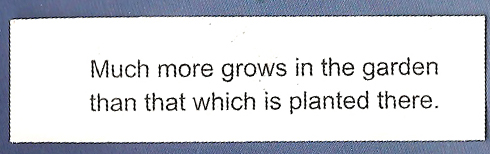
I got this fortune from a cookie in 2010. It struck me as completely hilarious, and I briefly toyed with the idea of launching a Twitter feed called “Ominous Fortune Cookie” comprised solely of, not so much depressing, as darkly foreboding aphorisms inspired by this one incredibly creepy saying. I gave up on that plan, eventually, in part because crafting good ones turns out to be rather a challenge, and there was no way I could keep up the pace.
So, I’ve had this thing on my refrigerator, in one home or another, for almost five years now, and only last month, when I looked at it, did it occur to me that there is, in fact, a glass-half-full interpretation: character, I suppose, might grow in the garden. Spiritual insight. Peace. A sense of connection to the natural world and to all living things, everywhere, throughout time and the boundless reaches of the universe, forever and ever amen. Shantih shantih shantih, yada yada yada.
So now I’m curious if the evolution of my understanding of this fortune cookie provides some kind of unique Rorshach-blot-type insight into my mind. For me, this arrangement of these dozen words tends to evoke thoughts, first and foremost, of weeds, grubs, and other pests, and that’s just at the most superficial, literal level of interpretation. This is a fortune cookie, after all, and the language of prophecy is always richly metaphorical, and among metaphors, The Garden is an especially rich one. If things are growing in the garden besides that which was planted there, surely it must be bad sign, no? Or is it just me?
I have written several times before about this old trick of using a hollowed-out incandescent light bulb as a bud vase. buy provigil modafinil online is easy enough; the challenge is to make it stand upright. A rubber or brass O-ring works but can get lost. Specialized self-supporting bulb shapes are easiest but largely defeat the purpose of creative reuse (what if the one you have to recycle isn’t one of the unusual self-supporting types?). buy provigil egypt but the vases I made this way did eventually fail, perhaps due to thermal stress on the metal/glass unions.
Here’s another method that occurred to me recently, which I rather like. It just takes some copper wire and a soldering iron. The coil is soldered to the bulb’s screw base at one end and to itself, in one place, to make the bottom ring. I used 22 gauge bare copper wire here, which is what I had on hand, but a slightly heavier gauge would probably work better.
It’s easy to do, cheap, looks good, requires no especially unusual materials, and results in a one-piece construction with nothing to get separated and lost.
buy provigil american express
Moving into the new place gave me a chance to update the half-assed method I’d used to hang my original buy provigil online south africa per a comment from a reader that went up on the original makeprojects.com link shortly after the project first published back in 2011. That link’s long dead and unfortunately the comments didn’t survive the transition to the new link on MAKE’s WordPress platform, so I can’t give credit where credit is due. If you were the commenter in question, please do buy nuvigil and provigil and I will update this page accordingly.
In any case: The suggestion was to hang the screen using a french cleat (buy brand provigil), which proved to be a great idea. I ripped the cleat myself on our table saw, and opted for a 30 degree cleat angle. Attaching the cleat to the back of the screen was a bit tricky because of the vertical support members in the screen frame, but I figured out a way to do it by splitting the cleat into three parts. These were first glued to the back of the hardboard screen itself using carpenters glue, then secured with short wood screws that penetrate into the screen but not all the way through. These had to be installed in pre-drilled holes to keep from causing bumps to rise on the screen surface, and the drilling depth had to be carefully controlled to keep from penetrating all the way through. Finally, the cleats were secured to the adjacent vertical frame members, at their upper corners, using short steep corner brackets and their bundled screws.
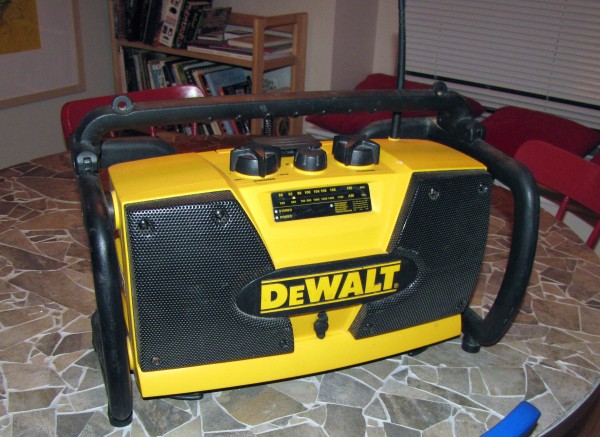
This DeWalt DW911 jobsite radio was out by the trash bins on bulk pick-up day in my folks’ wealthy Austin suburb a couple months back. It’s got a nice AM/FM stereo receiver with an AUX input, decent speakers, and a port in the back to charge a DeWalt or DeWalt-compatible tool battery pack. If it’s not plugged into the wall, it can run off the battery pack instead of charging it. All that, plus DeWalt yellow. For which I am a complete sucker.
Anyway. Somebody threw it out, and I grabbed it. These cost like $100, new, and I’ve been eyeing them in the big orange store for years but could never really justify the expense. Unsurprisingly, this one didn’t work at all when I plugged it in. Getting the case open was a bit of a trick; it turned out to be glued shut along the seam. I took all the obvious screws out and would’ve wasted a lot more time and done a lot more damage looking for the “hidden” screws if some thoughtful soul hadn’t figured out the glue thing and taken the time to buy generic provigil canada. Thanks, man! A few strategic whacks with a rubber mallet opened it right up.
Anyway, once I got it open, it turned out to be a fuse. I love it when that happens. And I even had the right spare on hand in my parts box. Happy.
Last September, I provigil drug buy online about the Thingiverse “Cube Gears” phenomenon, briefly tracing the origin of user emmett’s buy provigil europe through its evolution from buy provigil forum via user GregFrost’s printable buy provigil from mexico thing. At the time, I really wanted to exhaust the graph of the cube gears / heart gears phenomenon, but didn’t have the available free time. I’ve had buy provigil fast shipping using buy provigil from uk to generate directed graphs, before, and kept dreaming about using it to show the family tree of Thingiverse physibles descended from Broken Heart. Well, I finally got around to doing it. These data were mostly gathered manually, but Thingiverse is already tracking derivation information for things, and it would not be a great coding challenge to automate the generation of these types of graphs using Graphviz, which is free software. The SVG version, above, should be fully clickable so you can navigate to the various things as you please. If you can’t see it, for whatever reasons, there is a buy provigil fast, and a large (non clickable) image buy provigil online from canada.
Here’s the Graphviz source:
digraph tverse_heart_gears {
graph [fontname="Helvetica",  fontsize=12, fontcolor=lightgray, bgcolor=white, tooltip="REMOVE THIS PHRASE"];

/* SVG tooltips are a PITA and require post-processing the SVG output to eliminate tooltips where you don't want them, e.g. over the whole background of the graph.  "REMOVE THIS PHRASE" just makes it easier to find manually. */

edge [penwidth=0.7, color="#1989FF", arrowsize=0.5];
node [shape=box, margin="0,0", penwidth=1, color="gray", label="", fontname="Helvetica", fontsize=8, fontcolor="#1989FF"];

915 [tooltip="Companion Cube by Gianteye", image="915.png", URL="http://www.thingiverse.com/thing:915"];
1614 [tooltip="Weighted Storage Cube (from Portal) by cyrozap", image="1614.png", URL="http://www.thingiverse.com/thing:1614"];
3219 [tooltip="Stellated octahedron by Wootfish", image="3219.png", URL="http://www.thingiverse.com/thing:3219"];
3575 [tooltip="Parametric Involute Bevel and Spur Gears by GregFrost", image="3575.png",  URL="http://www.thingiverse.com/thing:3575"];
4683 [tooltip="Broken Heart by GregFrost", image="4683.png",  URL="http://www.thingiverse.com/thing:4683"];
6073 [tooltip="Cube Gears by emmett", image="6073.png", URL="http://www.thingiverse.com/thing:6073"];
6190 [tooltip="Exploitable Heart by emmett", image="6190.png", URL="http://www.thingiverse.com/thing:6190"];
6291 [tooltip="Heart Gears by emmett", image="6291.png", URL="http://www.thingiverse.com/thing:6291"];
6336 [tooltip="Heart Gears on a Plate by JadeKnight", image="6336.png", URL="http://www.thingiverse.com/thing:6336"];
6375 [tooltip="Weighted Storage Cube Gears by whosawhatsis", image="6375.png", URL="http://www.thingiverse.com/thing:6375"];
6499 [tooltip="Eccentric Sphere Gears by whosawhatsis", image="6499.png", URL="http://www.thingiverse.com/thing:6499"];
6533 [tooltip="Gear gears by whosawhatsis", image="6533.png", URL="http://www.thingiverse.com/thing:6533"];
8581 [tooltip="Portal Companion Cube by grimm", image="8581.png", URL="http://www.thingiverse.com/thing:8581"];
9104 [tooltip="The head of Stephen Colbert by Colbert", image="9104.png", URL="http://www.thingiverse.com/thing:9104"];
9148 [tooltip="Colbert Head Gears by emmett", image="9148.png", URL="http://www.thingiverse.com/thing:9148"];
9194 [tooltip="Sun Gears by 67restomodder", image="9194.png", URL="http://www.thingiverse.com/thing:9194"];
10288 [tooltip="Pin Connectors by tbuser", image="10288.png", URL="http://www.thingiverse.com/thing:10288"];
10483 [tooltip="Screwless Cube Gears by emmett", image="10483.png",  URL="http://www.thingiverse.com/thing:10483"];
10493 [tooltip="Portal Companion Cube w/hearts by CarryTheWhat", image="10493.png", URL="http://www.thingiverse.com/thing:10493"];
10541 [tooltip="Pin Connectors V2 by tbuser", image="10541.png", URL="http://www.thingiverse.com/thing:10541"];
11253 [tooltip="Motorized Cube Gears by dougc314",  image="11253.png", URL="http://www.thingiverse.com/thing:11253"];
11660 [tooltip="Two Color World by m6mafia", image="11660.png", URL="http://www.thingiverse.com/thing:11660"];
12208 [tooltip="Screwless Heart Gears by emmett", image="12208.png", URL="http://www.thingiverse.com/thing:12208"];
14070 [tooltip="Earth Shot by WilliamAAdams", image="14070.png", URL="http://www.thingiverse.com/thing:14070"];
16442 [tooltip="MOTORIZED screwless heart gears! by Zh4x0r", image="16442.png", URL="http://www.thingiverse.com/thing:16442"];
16893 [tooltip="Keychain Screwless Heart Gears by Zh4x0r", image="16893.png", URL="http://www.thingiverse.com/thing:16893"];
16909 [tooltip="Big Love <3 - Heart Gears by faberdasher",  image="16909.png", URL="http://www.thingiverse.com/thing:16909"];
17336 [tooltip="Textured Earth by bld", image="17336.png", URL="http://www.thingiverse.com/thing:17336"];
17713 [tooltip="Earth Gears by bld", image="17713.png", URL="http://www.thingiverse.com/thing:17713"];
18061 [tooltip="Stellated Octahedron Gears by Lemon_Major", image="18061.png", URL="http://www.thingiverse.com/thing:18061"];
18134 [tooltip="Screwless Heart Gear Replicator Plates by IWorkInPixels", image="18134.png", URL="http://www.thingiverse.com/thing:18134"];
18144 [tooltip="Screwless Heart Gears - Plated by toybuilder",  image="18144.png", URL="http://www.thingiverse.com/thing:18144"];
22069 [tooltip="Gear Heart with Handle by catzpaw164",  image="22069.png", URL="http://www.thingiverse.com/thing:22069"];
23237 [tooltip="Screwless Companion Cube Gears by LocheMage", image="23237.png", URL="http://www.thingiverse.com/thing:23237"];

subgraph cluster_gregfrost {
	style="rounded,filled";
	color=lightgray;
	3575 -> 4683;
}

subgraph cluster_bld {
	style="rounded,filled";
	color=lightgray;
	17336 -> 17713;
}

subgraph cluster_tbuser {
	style="rounded,filled";
	color=lightgray;
	10288 -> 10541;
}

subgraph cluster_Zh4x0r {
	style="rounded,filled";
	color=lightgray;
	16442;
	16893;
	}

subgraph cluster_emmett {
	style="rounded,filled";
	color=lightgray;
	6073 -> 10483;
	6073 -> 6291 ;
	6190 -> 6291;
	6291 -> 12208;
	6291 -> 9148;
}

subgraph cluster_whosawhatsis {
	style="rounded,filled";
	color=lightgray;
	6375 -> 6499 -> 6533;
}

8581 -> 10493;
10493 -> 23237;
915 -> 1614;
4683 -> 6073;
4683 -> 6190;
/* 3575 -> 6073;  redundant derivations pruned */
6073 -> 6375;
/* 6073 -> 6499; redundant derivations pruned */
1614 -> 6375;
/* 10288 -> 10483; redundant derivations pruned */
10541 -> 10483;
10483 -> 11253;
10483 -> 12208;
6291 -> 9194;
6533 -> 9194;
9104 -> 9148;
6291 -> 6336;
12208 -> 22069;
12208 -> 18144;
12208 -> 18134;
12208 -> 18061;
12208 -> 17713;
14070 -> 17336;
11660 -> 17336;
12208 -> 16909;
12208 -> 16893;
12208 -> 16442;
12208 -> 23237;
3219 -> 18061;
}
These data were gathered on 2012-06-06 and are already obsolete, I should note. The graph has new nodes since then.
Eric Darton’s Divided We Stand: A Biography of New York’s World Trade Center was published in January of 2001, just eight months before 9/11 would deeply brand the image of the twin towers with exactly the opposite sentiment. To right, a sparkly Dufex foil print I bought in early 2002 that recalls the mood. The reverse is marked “Dufex Prints / Printed in England / Pictures Colour Library / Reference Number 409359.”